Cabo Pulmo Dive Center
A PADI centre run by the family who helped found Cabo Pulmo village, with local divemasters who know the protected reef intimately.
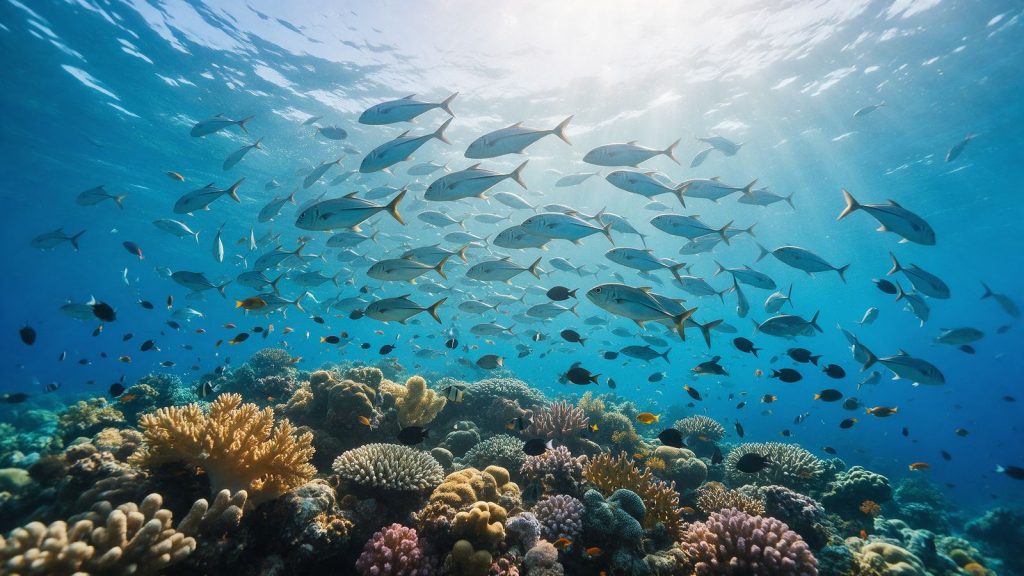
Cabo Pulmo, on the East Cape about 100 kilometres from the Los Cabos airport, is one of the great conservation stories in the world’s oceans. In 1995, local fishing families asked the Mexican government to protect their bay. Within a decade, fish biomass inside the park had risen by more than 400 percent, a recovery widely described as the largest ever measured in a marine reserve.
Cabo Pulmo Dive Center belongs to the Barrymore family, who arrived in the village in 1970 and later traded their spearguns for dive tanks. They have run the dive operation here since the 1990s, alongside the Cabo Pulmo Beach Resort, making them part of the community that drove the park’s protection.
It ranks among the very best because the reef itself is extraordinary. Estimated at some 20,000 years old, it is one of the oldest and northernmost living coral reefs in the eastern Pacific, and the park shelters more than 800 marine species.
What to expect
Mornings start with two-tank boat dives to ten sites inside the park, each just five to fifteen minutes from shore. Highlights include El Vencedor, a wreck known for bull sharks; El Cantil, a coral wall; El Islote, a pinnacle swirling with sardines; and La Lobera, home to a sea lion colony. Groups are kept to six divers per guide.
Snorkel tours visit Mermaid Beach, the sea lion colony and Las Navajas reef. The centre has six full-time PADI instructors and a training pool, offering everything from a first-time try dive to advanced certification, plus dive-and-stay packages in the resort’s beach villas.
Good to know
- Book by email, phone or WhatsApp; check-in for morning dives is at 8:30am.
- A daily marine park fee is charged separately.
- Humpback whales can be heard underwater from December to March; mobula rays and guitarfish appear in spring, and jack tornadoes are year round.
- Open Water certification covers most sites; the deeper ones are reserved for advanced divers.